History Curriculum/Book 11
Book eleven of the curriculum
The History of Ancient Persia
The eleventh book in the curriculum and the sixth of the Ancient Civilizations set. Seventeen chapters across four weeks — from the Zagros passes and the plain of Susa, through Elam and the Medes, the Gutians and the Kassites, the steppe peoples who became the Iranians, and the Scythians and Cimmerians, to Cyrus, the Royal Road, Darius and his cliff, Zoroaster, Lydia and the Greeks, Alexander's twelve years, and the four empires — Seleucid, Parthian, Sassanian and finally the Caliphate — that ruled Iran for the next thousand years. TWO THINGS TO KNOW BEFORE YOU START. First, the first-person accounts in both printed editions are HISTORICAL FICTION — written to tell the story, built on archaeology and the surviving record, and not the words of the people named. The Living edition says so itself, in its own letter to educators: each chapter is told by "a historical figure or cultural representative". Second, at the back of the Ultimate Guide, after the seventeen chapters, there are four Cross-Curricular sections — Math, Science, English and Historical Assessments — to use alongside this course. They are not a fifth week and there is nothing to hand in for them; they are there to be used while you work through the four weeks.
Read the book
Turn the pages of both editions right here. Ancient Persia is a members’ book: subscribers and Adventure Box Course families read every page.
🔒 A members’ book — Living History 336 pages, Standard Book 394 pages. Subscribe, or buy an Adventure Box, to read it.
4 Weeks, 17 Chapters, Choose 8+ to Read
Pick the chapters you want to read each week. The living books and the sources are one click away.
Pick two or more of these chapters to read. Finish two of the ones you choose to open Week 2.


K–5th Grade
6th–8th Grade
9th–12th Grade
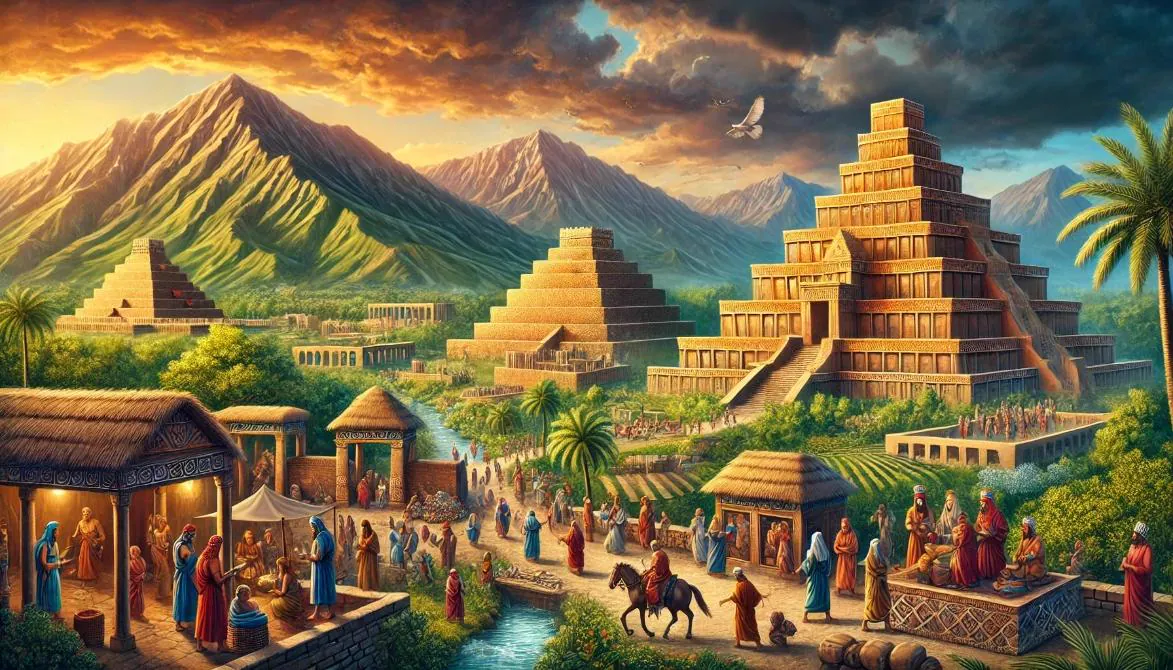
Elam, and the Writing Nobody Can Read
- The Proto-Elamite tablets of Susa Susa, c. 3100–2900 BCSeveral thousand clay tablets in a script that has never been deciphered. They are almost certainly accounts, because they carry numbers in systems that can be worked out even when the words cannot. Elam is the oldest thing in this book and it is still, in part, silent.
- The Linear Elamite and Elamite cuneiform inscriptionsSusa and Anshan, c. 2300 BC onwardElamite cuneiform IS readable, and it is the reason Elam has a history at all: royal inscriptions, temple dedications and, fifteen centuries later, the administrative language of the Persepolis tablets. Linear Elamite, the other script, is only now being argued over.
- Chogha Zanbil Khuzestan, Iran; built by Untash-Napirisha, c. 1250 BCThe best-preserved ziggurat anywhere, in a walled royal city that was abandoned almost as soon as it was finished. It is a UNESCO World Heritage site and it is the single clearest physical statement that Elam was not a province of Mesopotamia but a kingdom of its own.
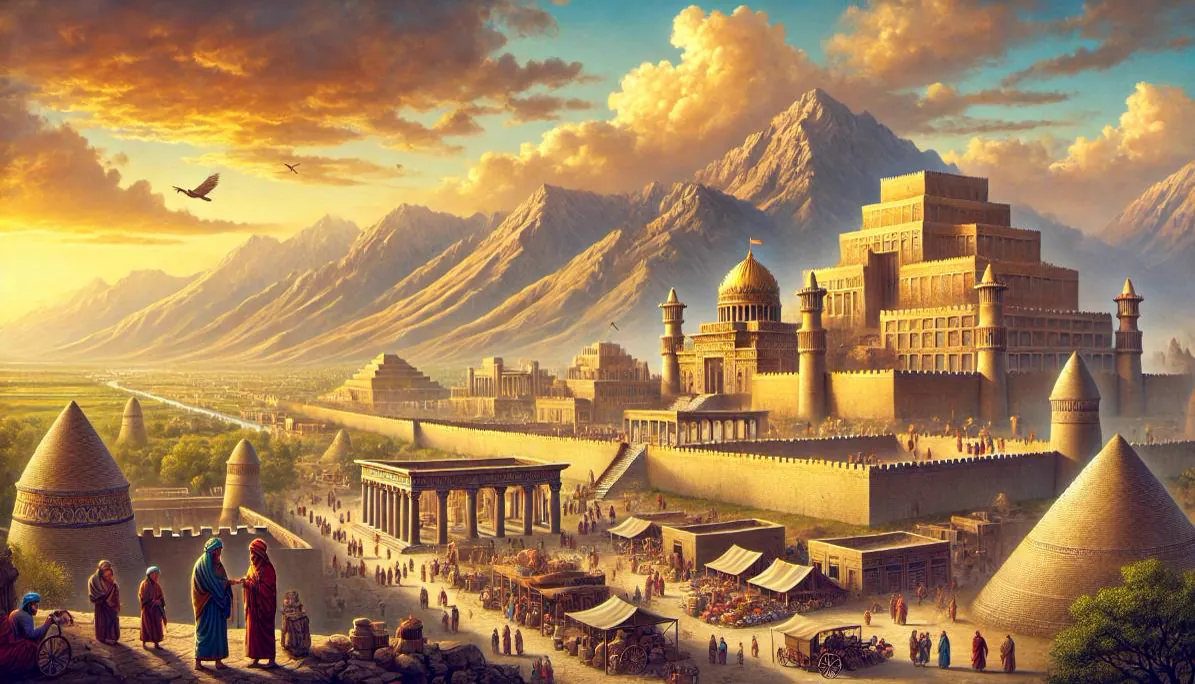
The Mountain Peoples, and What Somebody Else Wrote About Them
- The victory stele of Naram-Sin c. 2250 BC; LouvreCarried off from Mesopotamia to Susa as loot by an Elamite king a thousand years after it was carved, inscribed again by the looter, and dug up there by a French expedition. It is the clearest object lesson in the book: the reason this monument survives at all is that Elam took it.
- The inscriptions of Erridupizir and the Gutian kingsc. 2150 BC, surviving mainly in later copies from NippurThe Gutians ruled Sumer and Akkad for roughly a century and left almost nothing in their own voice. What is said about them — that they were barbarians who wrecked the country — was written by the dynasty that replaced them, which is a motive worth noticing.
- The kudurru boundary stones Kassite Babylonia, c. 1400–1100 BC; British Museum and LouvreCarved stones recording grants of land, with the gods' symbols along the top as witnesses. They are the Kassites' own documents, they are dated, and they are the reason a dynasty that ruled Babylon for four centuries is not a blank.
The Ground Itself
- Susa (Shush) Khuzestan, Iran; excavated from 1851 and continuously from 1897Occupied for more than five thousand years, capital of Elam and then one of the capitals of the Achaemenid empire. Most of what is in the Louvre's Iranian rooms came out of this one mound, which is also why so much of it is in Paris.
- Ecbatana (Hamadan)western IranThe Median capital, and a caution rather than a source: the ancient city lies under a modern one, excavation has been limited, and almost everything anyone says about Median Ecbatana comes from Herodotus's description of seven coloured walls, which nobody has found.
- The Internet Archive a non-profit digital libraryThe early excavation reports — the French Délégation en Perse volumes on Susa, the nineteenth-century travellers, the first surveys of the Zagros — scanned in full and free, which is the only way most people will ever read them.
Pick two or more of these chapters to read. Finish two of the ones you choose to open Week 3.
K–5th Grade
6th–8th Grade
9th–12th Grade
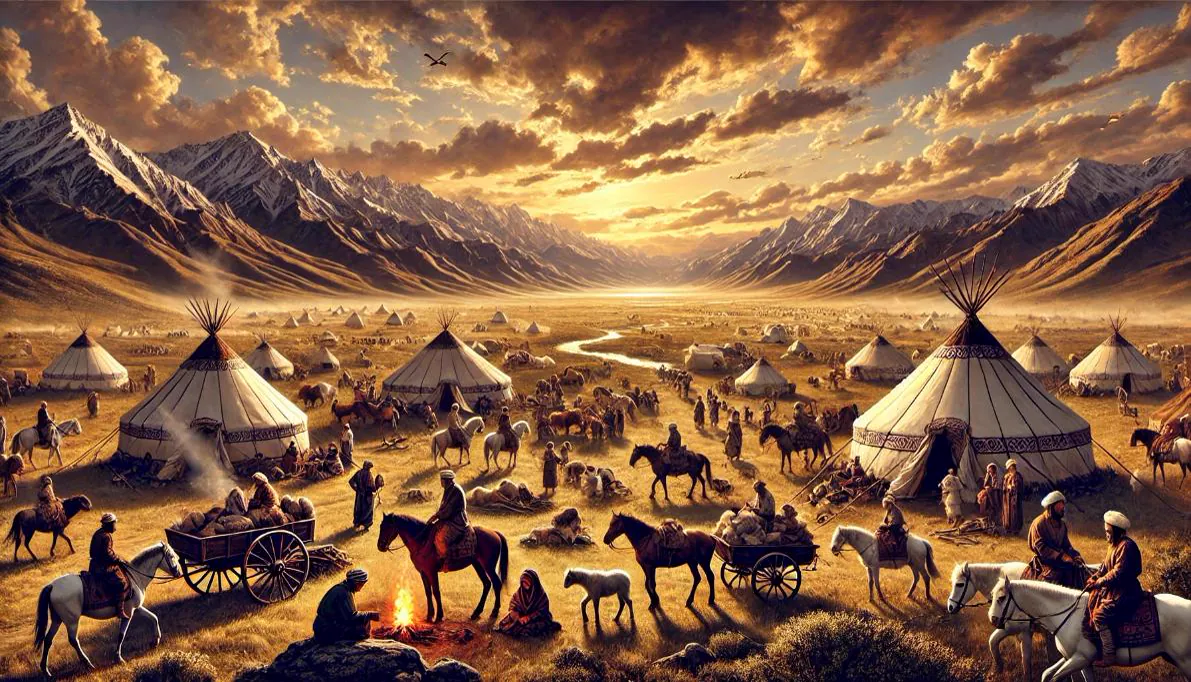
The Steppe, Dug Up
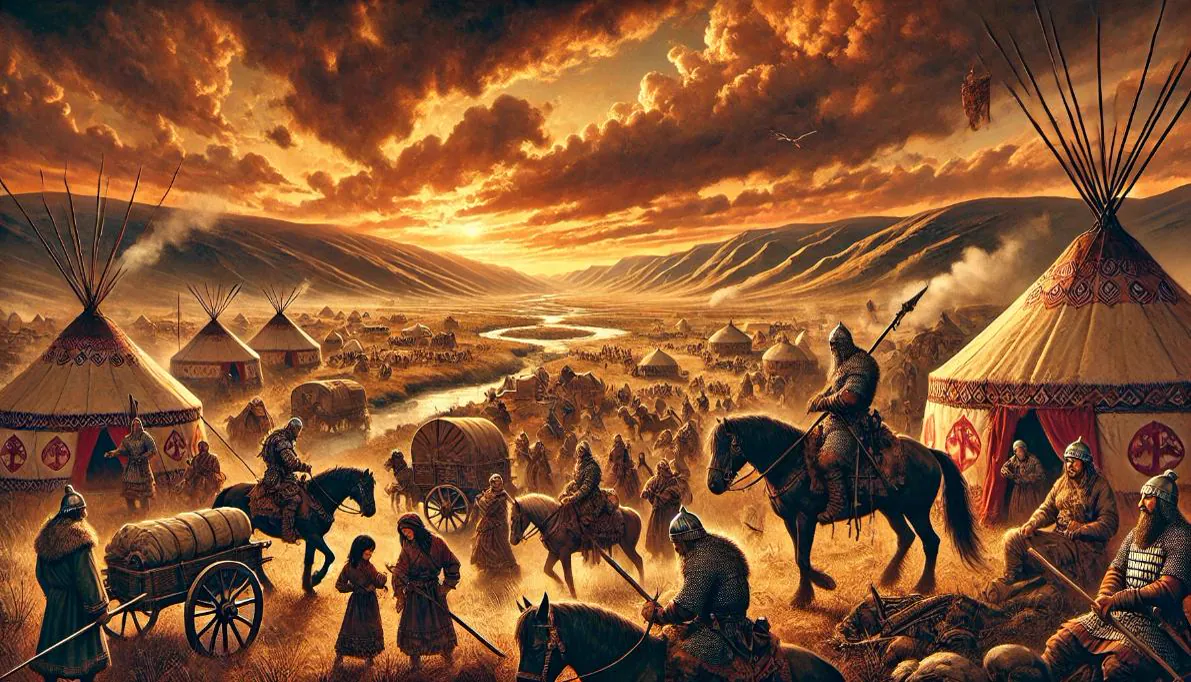
- The Sintashta and Andronovo cemeteriesthe southern Urals and Kazakhstan, c. 2100–1800 BCChariot burials with paired horses, spoke-wheeled vehicles and cheekpieces, radiocarbon-dated. They are the physical evidence behind almost everything said about the Proto-Indo-Iranians, and they carry no names, no language and no religion — only objects and dates.
- The Scythian kurgansthe Pontic and Altai steppe, c. 700–300 BCBurial mounds with gold work, weapons, horse gear and, in the frozen tombs of Pazyryk, tattooed bodies, textiles and a preserved carpet. This is a culture known almost entirely from its graves, which is why so much of what is said about its politics is guesswork.
- The Oxus Treasure Tajikistan or Afghanistan, c. 5th–4th century BC; British MuseumAbout 180 gold and silver objects, including the famous model chariot, found near the Oxus in the 1870s. The circumstances of the find are murky and always have been, which matters: an object with no excavation record can be dated by style but not by context.
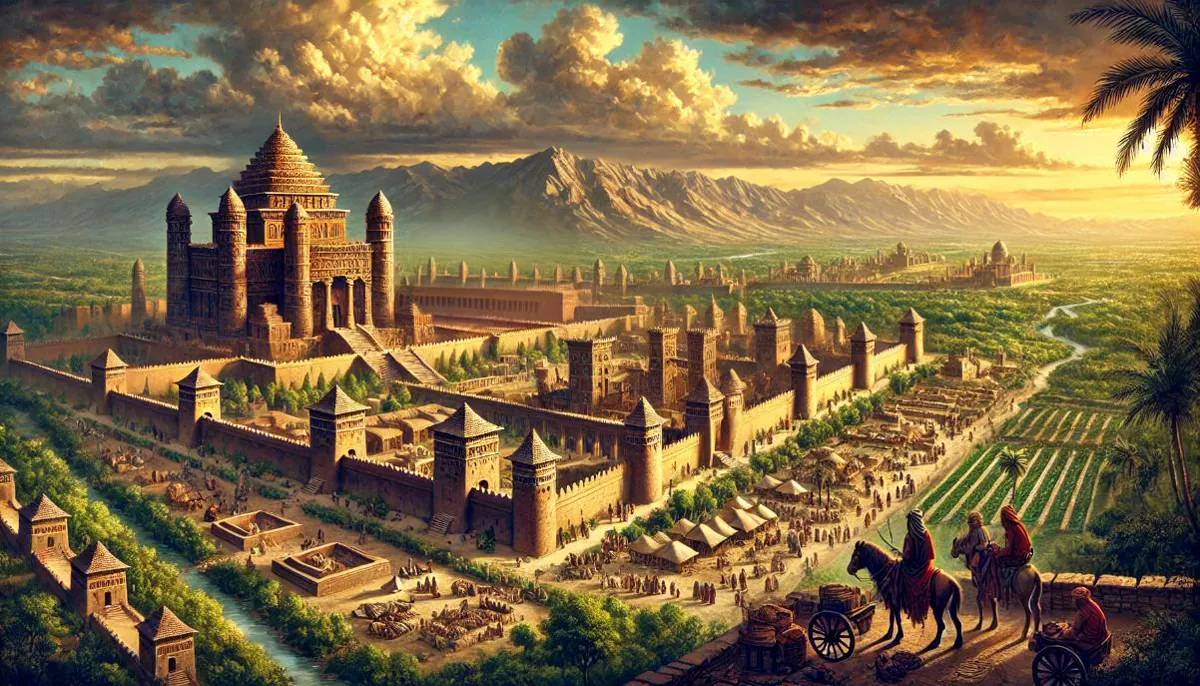
Cyrus, in the Documents
- The Cyrus Cylinder Babylon, 539 BC; British MuseumA clay barrel foundation deposit in Akkadian, found by Hormuzd Rassam in 1879. It is genuine, contemporary and extremely important — and it is a NEW KING'S STATEMENT ABOUT HIMSELF, written in the conventional form Babylonian kings had used for centuries. Read the object before reading anything written about it.
- The Nabonidus Chronicle a Babylonian chronicle tablet; British MuseumThe short, dry, near-contemporary notice of the fall of Babylon: the army entered without a battle, Cyrus came later, there was peace in the city. It is the closest thing to a neutral record of 539 BC that exists, and it is four lines long.
- Pasargadae Fars, IranCyrus's own capital — a stone tomb, a palace, a garden laid out with water channels, and an inscription naming him. It is a World Heritage site and it is the one place where Cyrus can be met without a Greek in the room.
The Greeks Who Wrote It Down, and the Roads
- Herodotus, The Histories written c. 430 BC, about events of 550–479 BCThe source for most of the famous stories in this week — the exposure of the infant Cyrus, Astyages' dreams, Croesus and the oracle, Tomyris and the wineskin. He is indispensable, he is often right about things that can be checked, and he is a Greek writing a century later about an enemy. Both facts at once.
- Xenophon, Cyropaedia written c. 370 BCPresented as the education of Cyrus and used for centuries as biography. It is a work of political instruction with a Persian setting and it contradicts Herodotus on Cyrus's death, his family and his conquest of Media. Read it as what it is and it is fascinating.
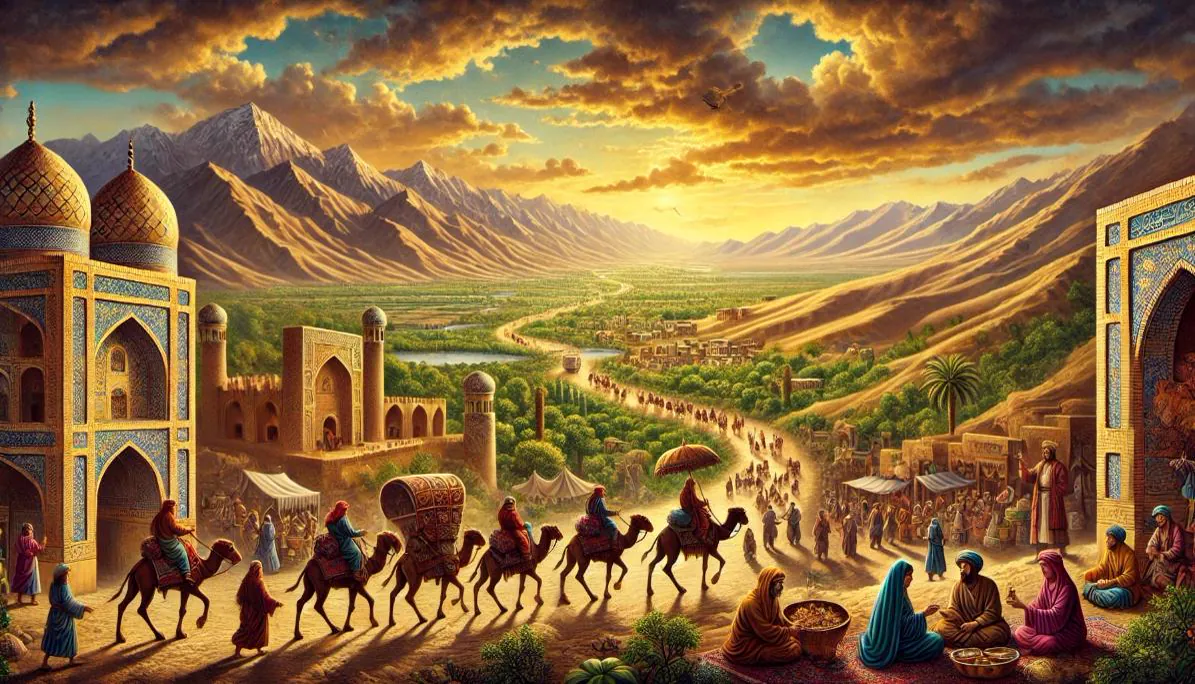
- The Persepolis Fortification tabletsPersepolis, 509–494 BCTens of thousands of Elamite-language ration receipts recording travel, work and supply across the empire — the one place where the Achaemenid administration speaks for itself, in the voice of a clerk rather than a king. They mention women's rations, work gangs, and travellers with sealed authorisations.
Pick two or more of these chapters to read. Finish two of the ones you choose to open Week 4.
K–5th Grade
6th–8th Grade
9th–12th Grade
Darius, in His Own Words and Somebody Else's
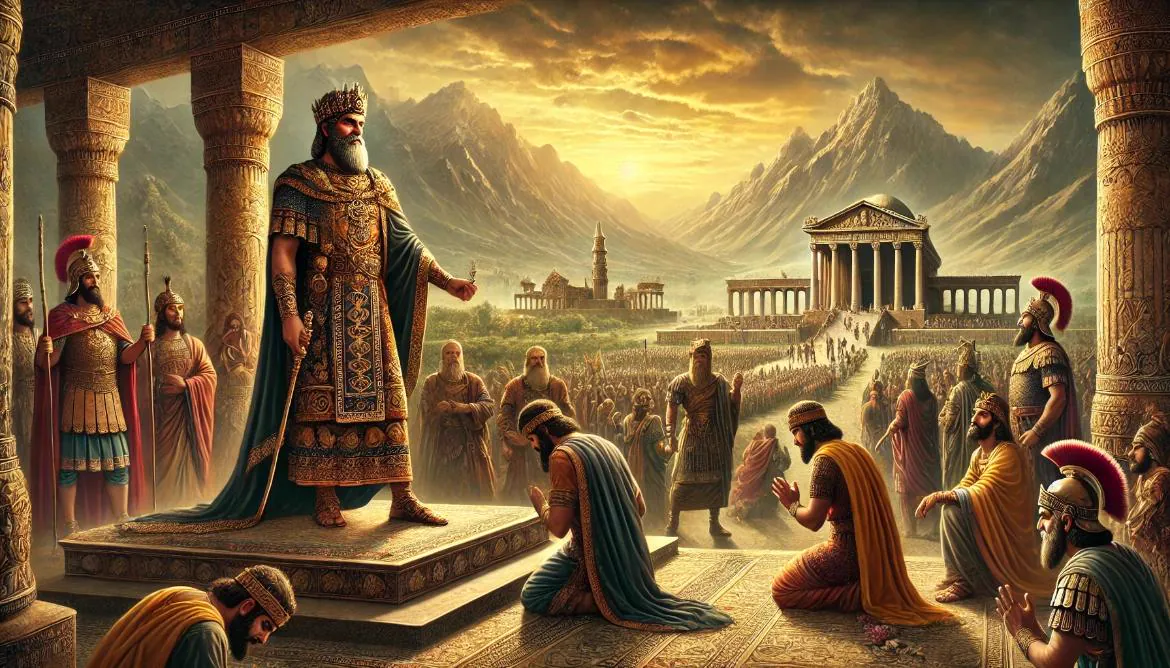
- The Behistun Inscription Mount Bisotun, western Iran, c. 520 BCDarius's account of how he took the throne, carved sixty metres up a cliff in Old Persian, Elamite and Akkadian, with a relief of the king standing over the men he calls liars. It is the key that unlocked cuneiform, and it is a usurpation narrative written by the man accused of the usurpation. It is a World Heritage site.
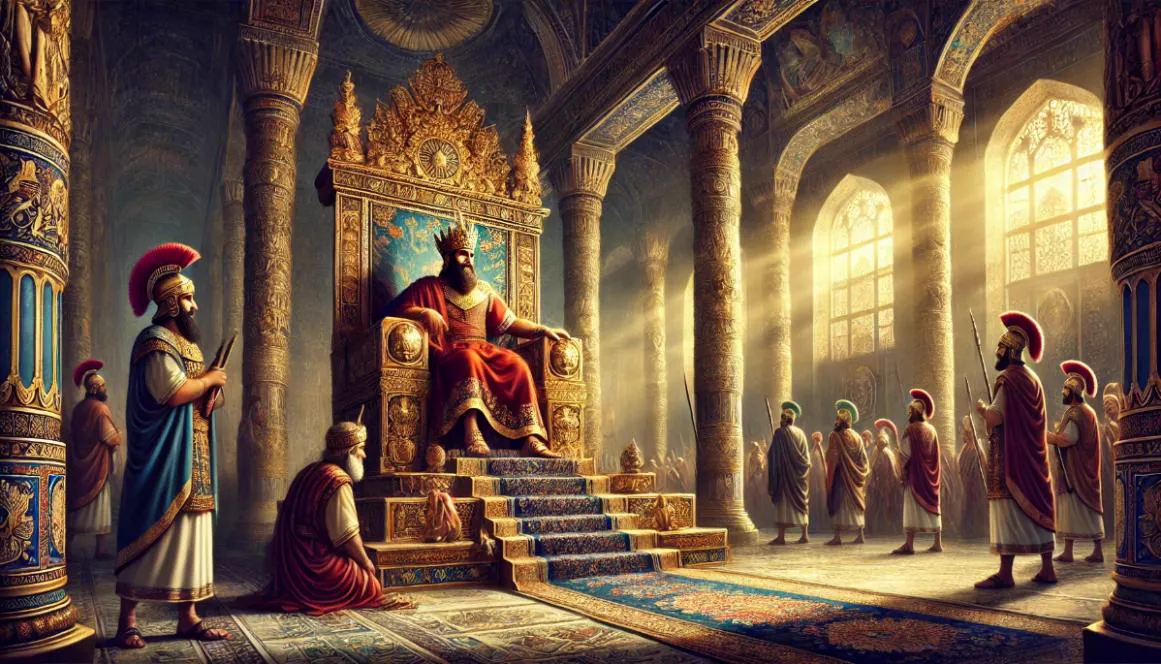
- Persepolis Fars, Iran; begun c. 518 BC, burned 330 BCThe terrace, the Apadana stairway with its procession of tribute-bearers from every part of the empire, the Gate of All Nations, and the burnt layer. The reliefs are the empire's picture of itself; the ash is Alexander.
- The Persepolis Treasury tablets and the royal coinage Persepolis and the empire, late 6th–4th century BCThe Treasury tablets record payments to workers in silver and in kind. The gold daric and silver siglos, struck with the running archer, are the empire's own money and can be weighed, assayed and counted — a kind of evidence no narrative source can argue with.
Zoroastrianism, and the Problem of Its Own Book
- The Gathasthe oldest part of the Avesta, composed in Old AvestanSeventeen hymns in a language so archaic that it is close to the oldest Sanskrit, attributed to Zoroaster himself. They were transmitted ORALLY, for centuries, by priests who memorised them. The script they are written in was invented in the Sasanian period, and the oldest surviving manuscripts are medieval.
- The Achaemenid royal inscriptions naming Ahura MazdaBehistun, Persepolis, Naqsh-e Rustam, 6th–4th century BCDarius and his successors name Ahura Mazda as the god who gave them the kingdom, and they never name Zoroaster. Whether the Achaemenids were Zoroastrians in any sense a later Zoroastrian would recognise is a real and open question, and the inscriptions are where it has to be argued.
- The Yazd and Parsi communities and their liturgical manuscriptsIran and IndiaZoroastrianism is a living religion, not a dead one, and the transmission of its texts runs through communities that are still there. That is why the manuscript tradition is late and why it is nonetheless continuous.
Lydia, Greece and Alexander
- The earliest coinage Lydia, c. 600 BC; British Museum and othersLumps of electrum, stamped and of standardised weight, from Lydia and the Ionian cities. Coined money was invented here, it can be dated by hoard and by stratum, and it changed trade everywhere it reached. Croesus's kingdom is remembered for its wealth and this is why.
- The Babylonian astronomical diariesBabylon, from the 7th century BC onwardNight-by-night records of the sky, the weather, the river level and the price of barley, kept for centuries. They also note Gaugamela and Alexander's death — which makes them the only genuinely contemporary record of Alexander that exists anywhere.
- Arrian, Anabasis of Alexander written c. AD 140, about events of 336–323 BCThe best of the Alexander narratives, and it is four hundred and fifty years late. Arrian worked from Ptolemy and Aristobulus, who were there; their books are lost. Every famous scene of Alexander's life reaches us through a copy of a copy.
Pick two or more of these chapters to read.
K–5th Grade
6th–8th Grade
9th–12th Grade
The Successors, and the Coins That Date Them
- The Seleucid Erafrom 312/311 BCThe first continuously numbered year-count anybody used — it simply keeps counting instead of restarting with each king. It is on coins, on tablets and in documents for a thousand years afterwards, which makes the whole Hellenistic Near East datable in a way the Bronze Age is not.
- The Babylonian chronicles and astronomical diaries of the Hellenistic periodBabylon, 3rd–1st century BCCuneiform kept going for three centuries after Alexander. The diaries record Seleucid and then Parthian kings in the same register as the barley price, and they are the local record against which Greek accounts of the same years can be checked.
- Parthian and Sasanian coinage 247 BC – AD 651The Parthians left no narrative history of their own, and their coins — with royal portraits, titles, mints and dates — are the backbone of their chronology. Sasanian coinage does the same job and adds fire-altar reverses that track the state religion.
The Sasanians Speaking for Themselves
- The res gestae of Shapur Ithe Kaʿba-ye Zartosht at Naqsh-e Rustam, c. AD 260A trilingual inscription — Middle Persian, Parthian and Greek — in which Shapur lists his provinces and states that he defeated three Roman emperors and took Valerian alive. It is a royal claim, and it is contemporary, and the Roman sources admit the capture, which is as close to corroboration as this subject gets.
- The rock reliefs at Naqsh-e Rustam and BishapurFars, Iran, 3rd century AD onwardArdashir receiving the ring of kingship; Shapur on horseback with a Roman emperor kneeling. These are propaganda carved in cliffs by people who expected them to last, and they have.
- The inscriptions of the priest KartirNaqsh-e Rustam and elsewhere, later 3rd century ADOne of the very few non-royal Sasanian voices carved in stone: a high priest describing his own career and the religious establishment he built. He is the reason the Sasanian state religion can be discussed as an institution rather than a mood.
The Conquest, and Who Reported It
- The Armenian History attributed to Sebeos7th century ADThe nearest thing to a near-contemporary narrative of the Arab conquest of Iran, written by an outsider in a third language who had reason to notice. Even its authorship is argued over.
- Al-Tabari, History of the Prophets and Kingscompiled c. AD 915The great Arabic history, and the main narrative source for the Sasanian collapse — written nearly three hundred years after it, out of earlier material that mostly does not survive independently. It is the same distance problem this book opened with in chapter 1, arriving again at the other end.
- Ctesiphon and the Taq Kasranear modern Baghdad, IraqThe Sasanian capital, and the largest single-span brick vault ever built, still standing. The city was taken in AD 637 and the arch is still there, which is the most direct thing a student can be shown about how an empire ends: not with the buildings falling down.
What comes with the book
The Ultimate Guide
The textbook itself — the seventeen chapters these lessons are built from.
Living History
Heroes and Villains: Ancient Persia — Told By Those Who Were There. The Heroes & Villains series, in the first person.
The Adventure Box
Cards, lesson plans, activities, coloring pages and the craft kit for this era.