History Curriculum/Book 8
Book eight of the curriculum
The History of the Industrial Revolution
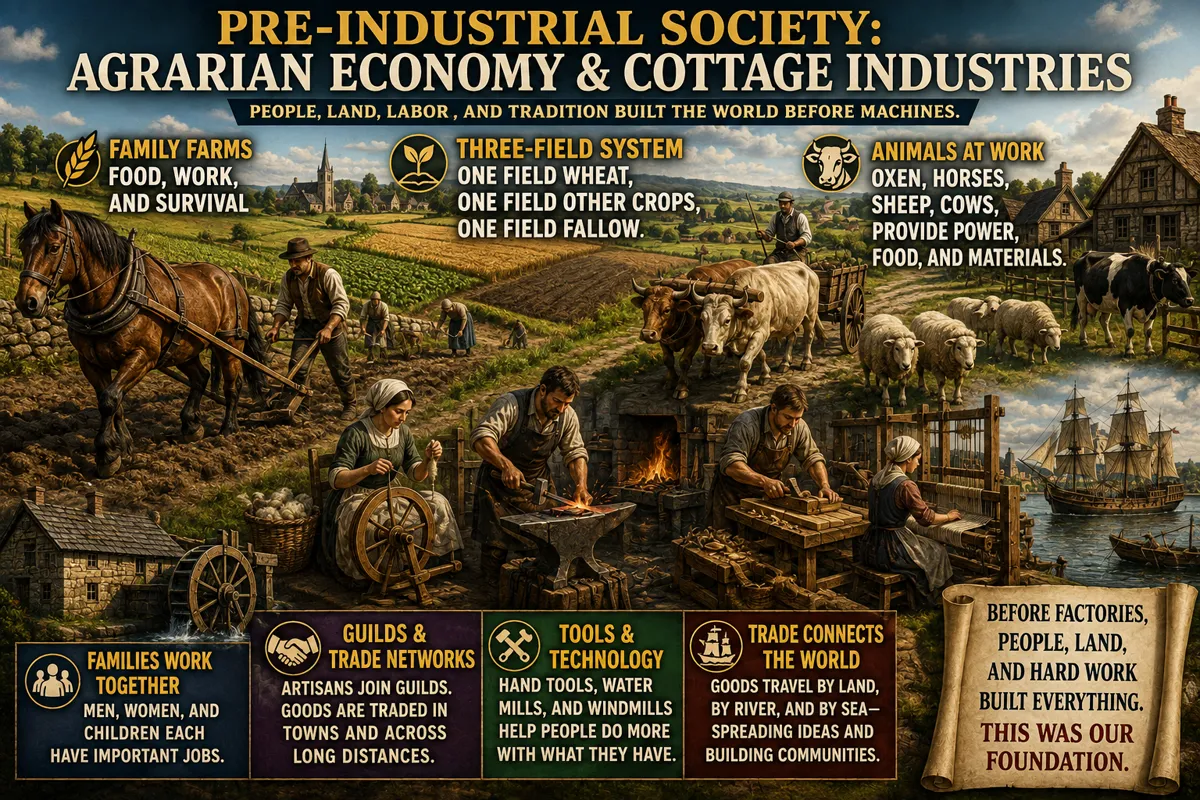
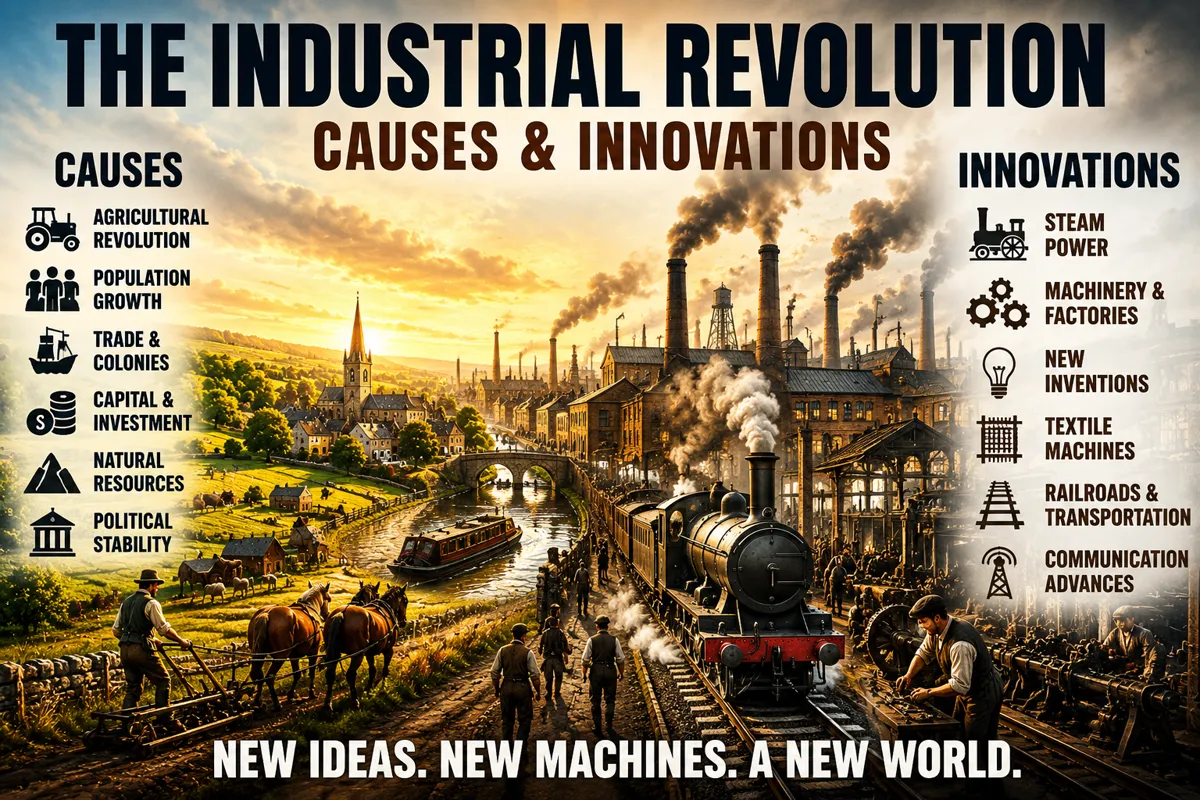
The eighth book in the curriculum and the first of the Late American History set. Seventeen chapters across four weeks — from a world of cottage spinning and horse-drawn carts, through the first factories in Britain and then in New England, the locomotive, the telegraph, the cotton gin and the mills it fed, oil, canned food, germ theory and electric light, to the union hall, the tenement, the schoolroom and the tariff bill, stopping in 1901.
Read the book
Turn the pages of both editions right here. Industrial Revolution is a members’ book: subscribers and Adventure Box Course families read every page.
🔒 A members’ book — Living History 318 pages, Standard Book 382 pages. Subscribe, or buy an Adventure Box, to read it.
4 Weeks, 17 Chapters, Choose 8+ to Read
Pick the chapters you want to read each week. The living books and the sources are one click away.
Pick two or more of these chapters to read. Finish two of the ones you choose to open Week 2.

K–5th Grade
6th–8th Grade
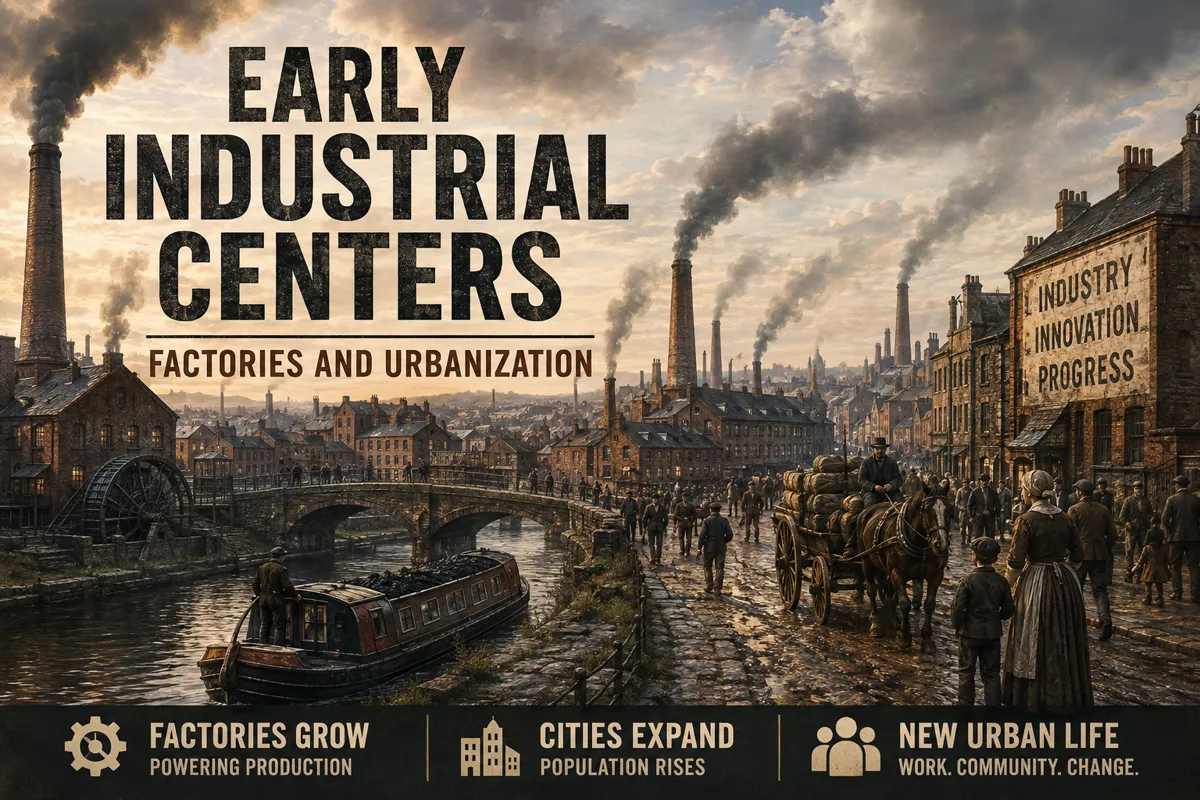
What the Machines and the Mills Themselves Are
- Cromford Mill, DerbyshireRichard Arkwright, 1771The first water-powered cotton spinning mill, and the building that defines what the word factory came to mean: one building, one power source, fixed hours and a workforce brought to the machine instead of the work brought to the worker. It is still standing and can be walked through.
- The Soho Manufactory and Soho Foundry, BirminghamMatthew Boulton and James Watt, from 1765 and 1796Where Watt's engines were made and sold. The Boulton and Watt archive of drawings, order books and letters survives, which is why this partnership is better documented than almost any other business of the century.
- Watt's separate condenserpatented 1769, extended 1775The patent specification is the record of what Watt actually claimed, as against what he is popularly credited with. He did not invent the steam engine; the patent says what he did.
- The Bridgewater Canalopened 1761Built to carry coal from Worsley to Manchester. The toll records and the collapse in the price of coal at the Manchester end are the measurable result.
Documents You Can Read in Full
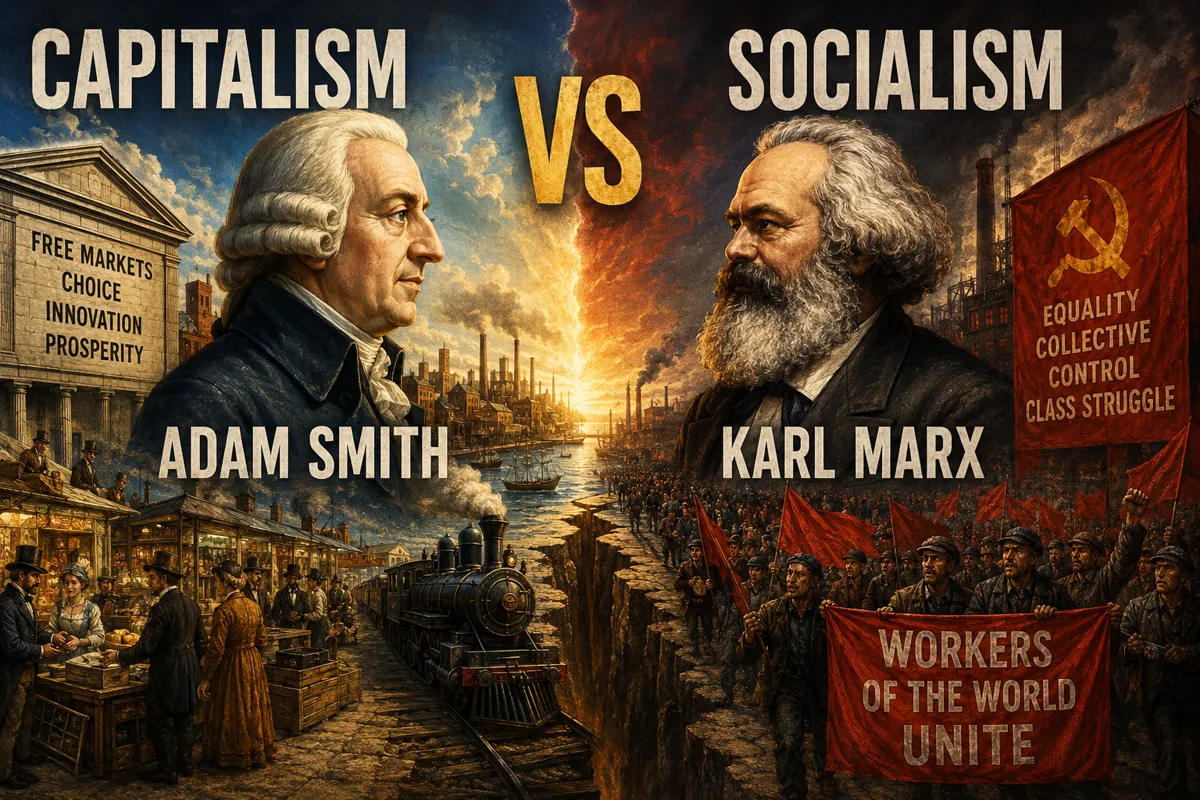
- The Wealth of Nations Adam Smith, 1776Complete and free. The division of labour, the invisible hand and the passages on the merchant's interest that are usually quoted without their surroundings.
- Grace's Guide to British Industrial History a volunteer-built referenceCompany histories, engine registers, obituaries and scanned trade journals, searchable by firm and by person. The fastest way to check whether a machine, a foundry or an engineer actually existed.
- The Internet Modern History Sourcebook Fordham UniversityFree full-text translations and transcriptions of the documents of the Industrial Revolution, arranged by subject.
Archives to Search Yourself
- The National Archives, education service the United KingdomScans of original documents with transcripts beside them — wage books, petitions, apprenticeship records and factory returns.
- The Internet Archive a non-profit digital libraryScanned nineteenth-century trade directories, parliamentary papers and company histories, complete, free and full-text searchable.
- Project Gutenberg volunteer-transcribed public-domain textsSmith, Smiles, Engels and the rest of the period's own literature in full.
- The Science Museum, London objects and storiesThe museum that holds Watt's workshop, the Rocket and the earliest surviving textile machines, with its own catalogue notes on each.
Pick two or more of these chapters to read. Finish two of the ones you choose to open Week 3.

K–5th Grade
6th–8th Grade
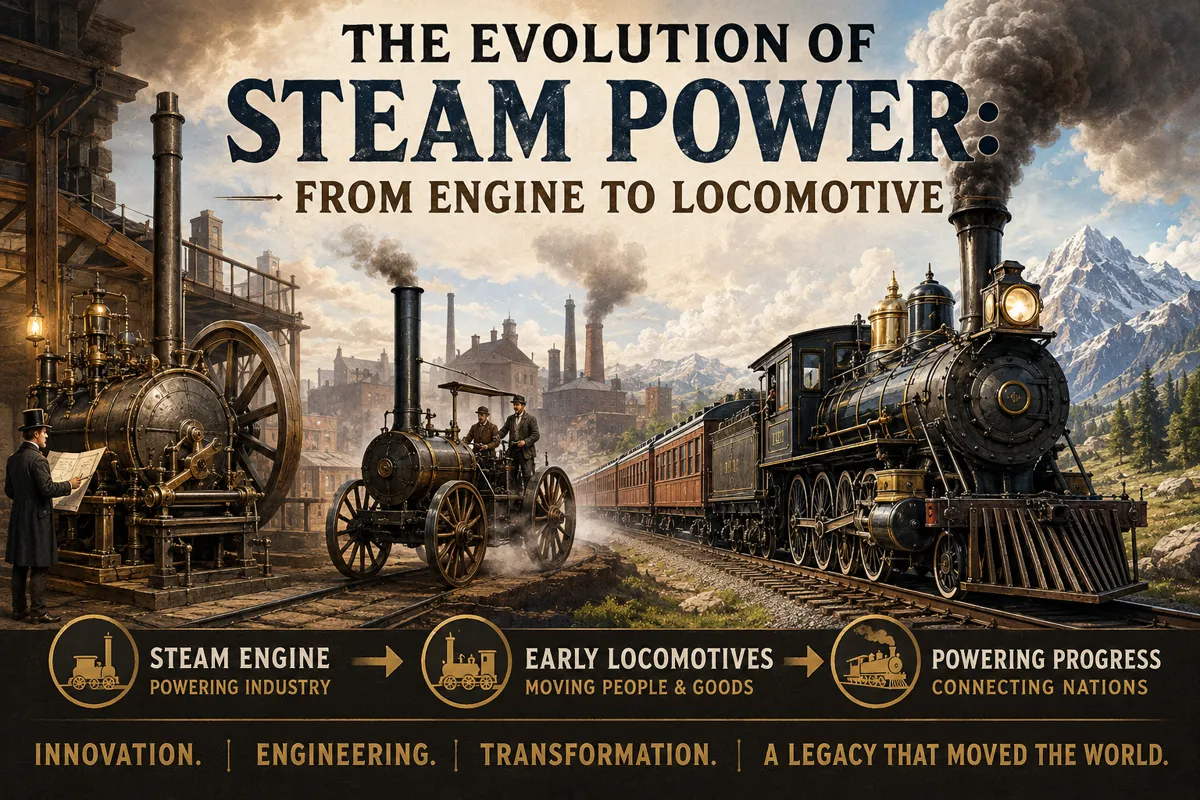
The Machines, the Mills and the Lines
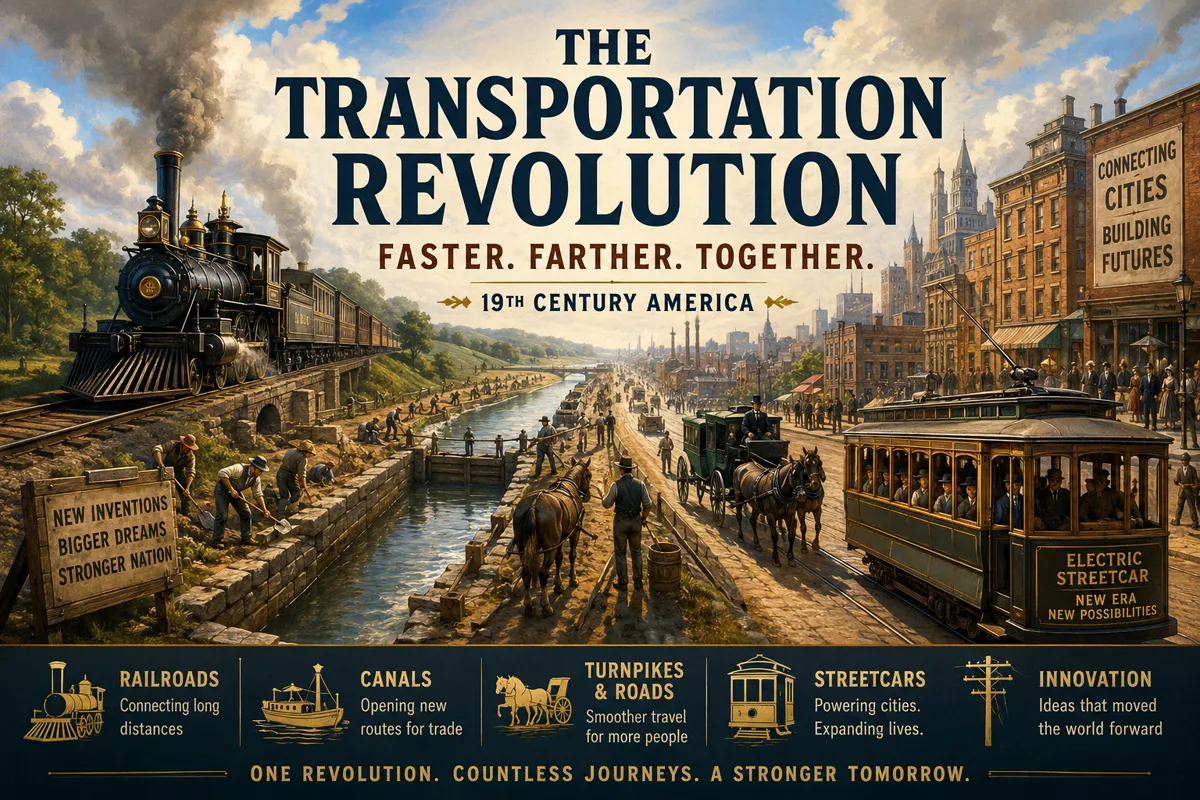
- The RocketRobert and George Stephenson, 1829The locomotive that won the Rainhill Trials. It survives, rebuilt and much altered, and the trial's own rules and results were printed at the time.
- Slater Mill, Pawtucket, Rhode Island Samuel Slater and Moses Brown, 1793The first water-powered cotton spinning mill in the United States, built by a man who had memorised Arkwright's machines in England because taking the drawings out was illegal. It is still standing.
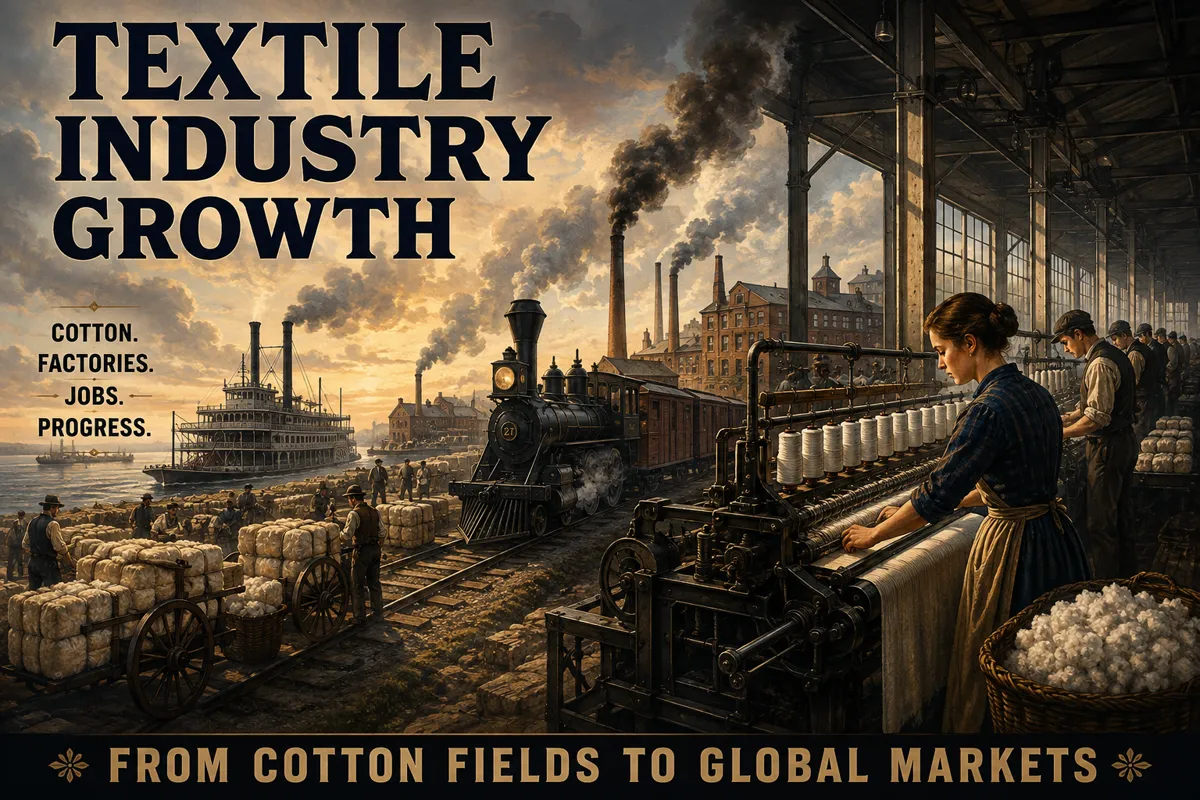
- The Lowell mills, Massachusetts the Boston Associates, from 1814 at Waltham and 1823 at LowellThe first mills anywhere to put spinning and weaving under one roof. The boarding-house rules, the wage books and the corporation records survive.
- Whitney's cotton ginpatented 1794The patent is the record of the claim. What followed it — a very great expansion of cotton growing and of the slave labour used to grow it — is recorded in the census returns and the plantation ledgers, not in the patent.
The Words of the People in Them
- The Lowell Offeringwritten and edited by the mill women, 1840–1845Stories, essays and poems by the women working the looms, printed while they were working them. Read it beside the Voice of Industry, which the same women started when they wanted to say things the Offering would not print.
- The Voice of Industrythe labour paper Sarah Bagley wrote for, from 1845The ten-hour campaign in the campaigners' own words, including the petitions to the Massachusetts legislature and the testimony given to it.
- The Underground Railroad William Still, 1872Still kept records of the people who passed through Philadelphia — names, ages, where from, how. It is the closest thing to an archive the escape network left.
Archives to Search Yourself
- Grace's Guide to British Industrial History a volunteer-built referenceLocomotive registers, engine numbers, railway company histories and obituaries.
- Google Patents full-text searchable patent archiveWhitney's gin, Morse's telegraph, Bell's telephone and thousands of less famous specifications, in the inventor's own words and drawings.
- The Internet Archive a non-profit digital libraryScanned railway gazettes, mill records, city directories and the full runs of nineteenth-century periodicals.
- The American Yawp a collaboratively built American history text with a document readerFree, and its reader prints the documents rather than describing them.
Pick two or more of these chapters to read. Finish two of the ones you choose to open Week 4.

K–5th Grade
6th–8th Grade
The Wells, the Works and the Instruments
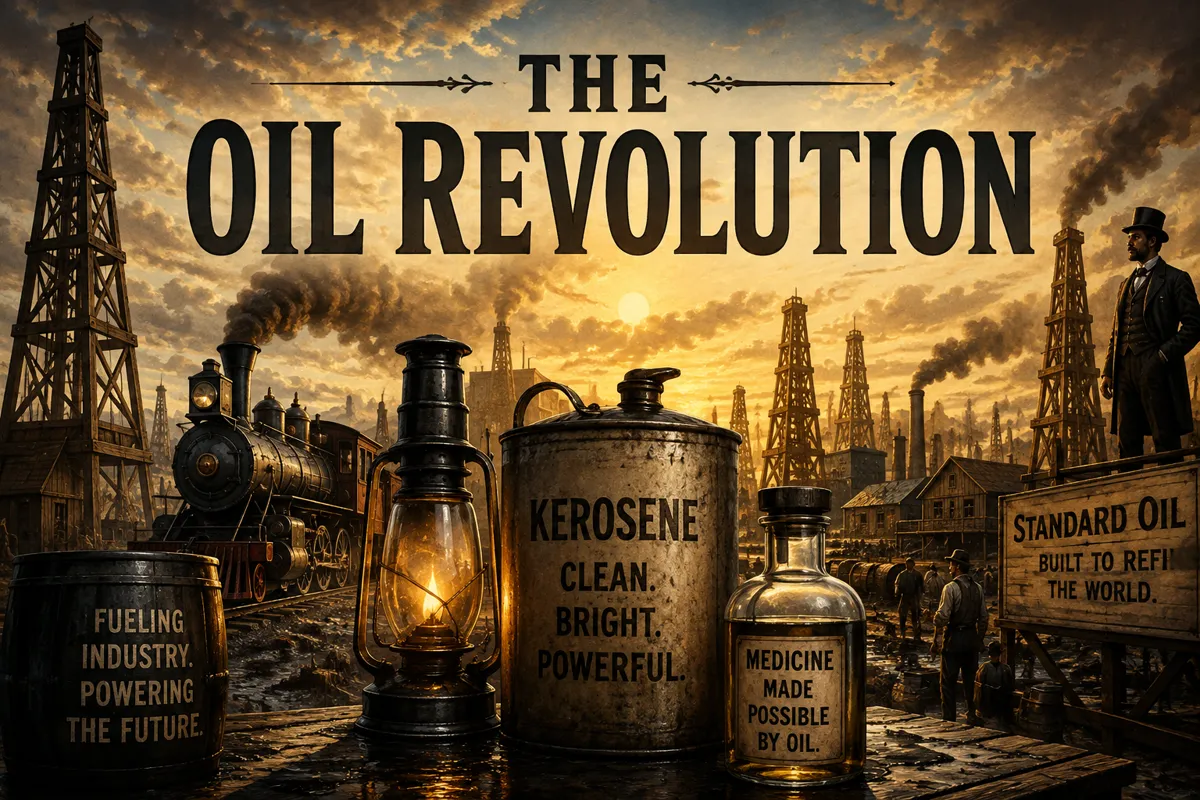
- The Drake Well, Titusville, Pennsylvania Edwin Drake, August 1859The first well drilled for oil rather than dug or skimmed. The site, the drilling record and a working replica of the derrick are all there.
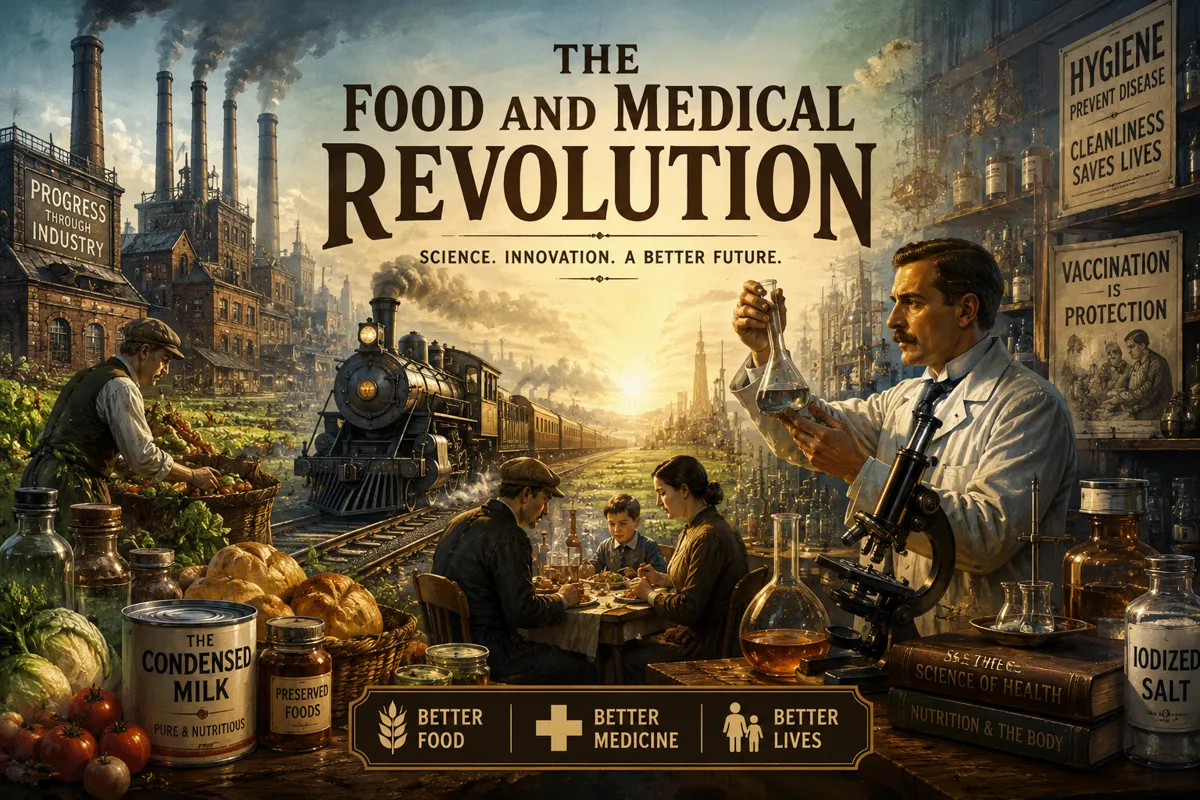
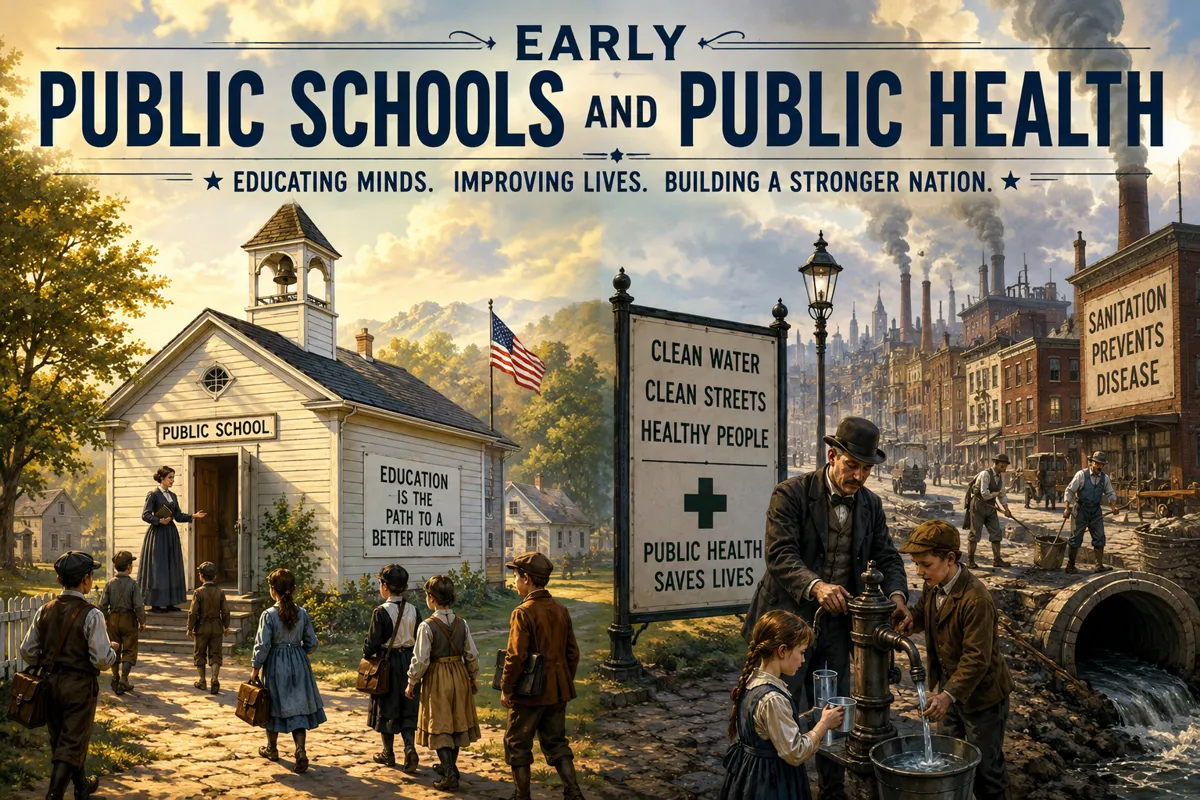
- John Snow's Broad Street investigationLondon, 1854Snow mapped cholera deaths house by house and argued from the map that the pump was the cause. The map, the door-to-door notes and the paper he published from them are the record; the argument he made from them was contested at the time.
- Pasteur's and Koch's published experiments1860s–1880sGerm theory as it was actually established — Pasteur on fermentation and spoilage, Koch on anthrax and tuberculosis and his four postulates for proving a microbe causes a disease.
- The Edison and Westinghouse patent files 1880s–1890sThe AC and DC systems as their builders described them under oath and in specification, which is a different record from the publicity each side ran.
Documents You Can Read in Full
- The History of the Standard Oil Company Ida M. Tarbell, 1904Complete, free, with the documents she quotes.
- The Jungle Upton Sinclair, 1906Complete and free.
- The Internet Modern History Sourcebook Fordham UniversityTranscribed statutes, reports and press of the period.
Archives to Search Yourself
- Google Patents full-text searchable patent archiveLatimer's carbon filament, Tesla's polyphase motors, Westinghouse's air brake, the can seamers and the milk pasteurisers.
- Grace's Guide to British Industrial History a volunteer-built referenceGas works, electricity undertakings, chemical firms and their engineers.
- The Victorian Web an academic reference siteScanned period illustrations, statutes and periodical articles on public health, industry and technology, each with its citation.
- The Internet Archive a non-profit digital libraryFull runs of the Lancet, the Engineer and the oil and gas trade press.
Pick two or more of these chapters to read.
K–5th Grade
What Each Side Said, and Where It Is Written Down
- The Homestead record, 1892Carnegie Steel, the Amalgamated Association, the Pinkerton agency and the Pennsylvania militiaThe company's own account, the union's own account, the Pinkerton contract, the coroners' inquests on the dead of both sides and the congressional inquiry that followed are all in print and they do not agree about who fired first. Read them side by side and leave it there.
- The Haymarket record, 1886ChicagoThe bomb, the shooting, the trial transcript, the defendants' own speeches in court and the governor's pardon message of 1893 for the survivors. The trial record and the pardon message take opposite views of the same evidence.
- The Pullman Strike record, 1894the Pullman Company, the American Railway Union and the United States governmentThe company town's rent and wage books, Debs's own statements, the federal injunction and the report of the presidential strike commission, which criticised the company and the union in the same document.
- The child-labour recordthe Children's Employment Commission (1842, 1863) and the National Child Labor Committee (from 1904)Sworn testimony from children by name and age in the British commissions, and Lewis Hine's photographs with his own field notes in America. Hine wrote down the child's name, age and job beside each picture, which is what makes them evidence.
Documents You Can Read in Full
- The Communist Manifesto Karl Marx and Friedrich Engels, 1848Forty pages, and the thing itself rather than anyone's summary of it.
- The Condition of the Working-Class in England in 1844 Friedrich EngelsComplete and free.
- The Gospel of Wealth Andrew Carnegie, 1889Complete and free.
- Twenty Years at Hull-House Jane Addams, 1910Complete and free.
- How the Other Half Lives Jacob Riis, 1890Complete and free, with the plates.
Archives to Search Yourself
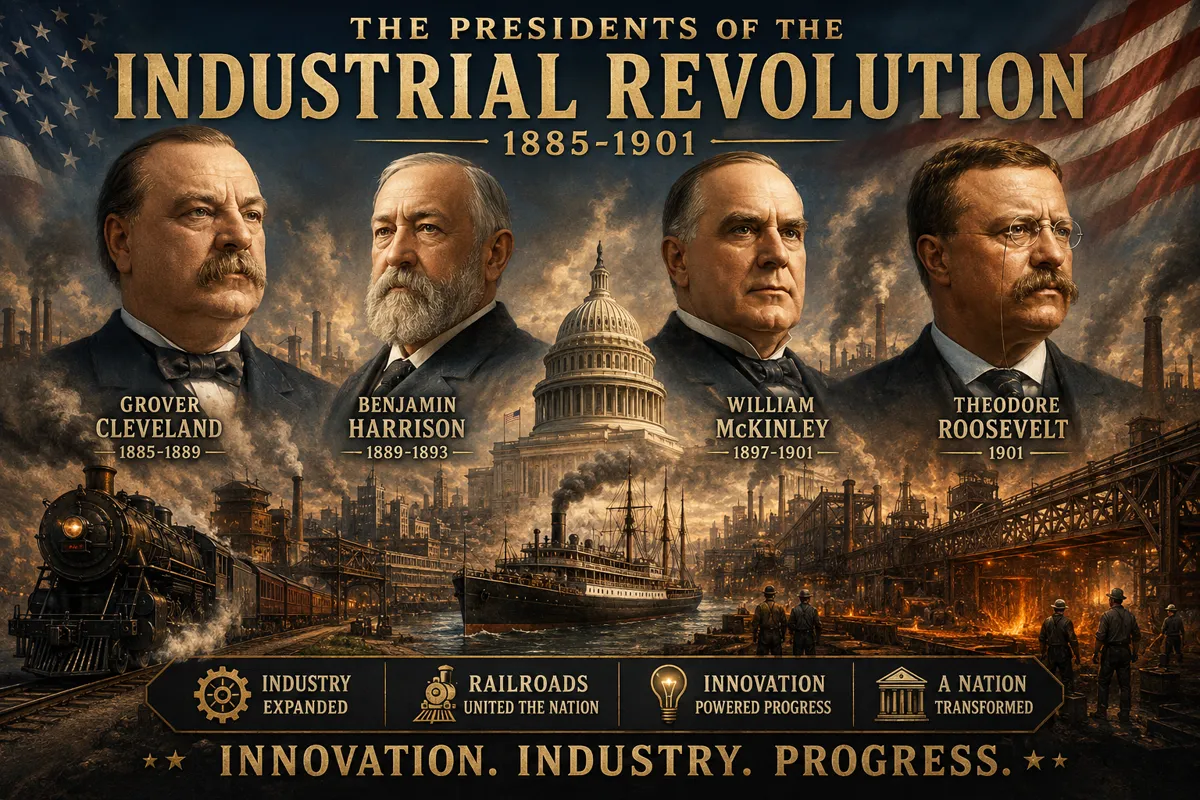
- The American Presidency Project University of California, Santa BarbaraEvery annual message, veto message and proclamation of Cleveland, Harrison and McKinley, in full, searchable. This is where to check what a president actually said about a tariff or a strike.
- Chronicling America, at the Library of Congress guide digitised American newspapersThe same strike reported on the same day by four papers that disagree. The guide page opens to an automated request; the search interface itself is behind it.
- The National Archives, education service the United KingdomPetitions, factory returns, sanitary reports and the Poor Law correspondence, scanned with transcripts.
- The Workhouse an independent research site on the English poor lawBuilding by building and union by union, with the surviving records for each and what they contain.
- Census history the United States Census BureauThe population and manufacturing schedules of 1850 to 1900 and what each one asked, which is what tells you what the numbers can and cannot be used for.
What comes with the book
The Ultimate Guide
The textbook itself — the seventeen chapters these lessons are built from.
Living History
The Ultimate Guide to the Industrial Revolution — Told By Those Who Were There. The Heroes & Villains series, in the first person.
The Adventure Box
Cards, lesson plans, activities, coloring pages and the craft kit for this era.