History Curriculum/Book 4
Book four of the curriculum
The History of the French and Indian War
The fourth book in the curriculum. Twenty chapters across four weeks — a quarrel over a river fork in the Ohio Country that became the first war fought on every ocean, told by the soldiers, governors, sachems, kings and shopkeepers who lived through it.
Read the book
Turn the pages of both editions right here. French and Indian War is a members’ book: subscribers and Adventure Box Course families read every page.
🔒 A members’ book — Living History 363 pages, Standard Book 380 pages. Subscribe, or buy an Adventure Box, to read it.
4 Weeks, 20 Chapters, Choose 8+ to Read
Pick the chapters you want to read each week. The living books and the sources are one click away.
Pick two or more of these chapters to read. Finish two of the ones you choose to open Week 2.
K–5th Grade
 George Washington: Book for Curious Kids
 Struggle for a Continent: The French and Indian Wars
6th–8th Grade
Struggle for a Continent: The French and Indian Wars The Ransom of Mercy Carter
9th–12th Grade
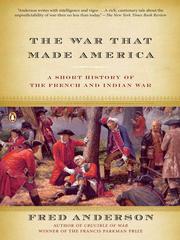 The War That Made America: A Short History of the French and Indian War
The Ohio Country, in the Hands That Wrote It
- The Journal of Major George Washington, 1754 George WashingtonWashington's own account of carrying Governor Dinwiddie's letter to the French at Fort Le Boeuf in the winter of 1753–54. Printed at Williamsburg in 1754 and reprinted in London the same year, which is how most of Britain first read his name.
- The Papers of George Washington: Colonial Series ed. W. W. Abbot and othersEvery surviving letter, order and account book of Washington's Virginia Regiment years, transcribed and searchable.
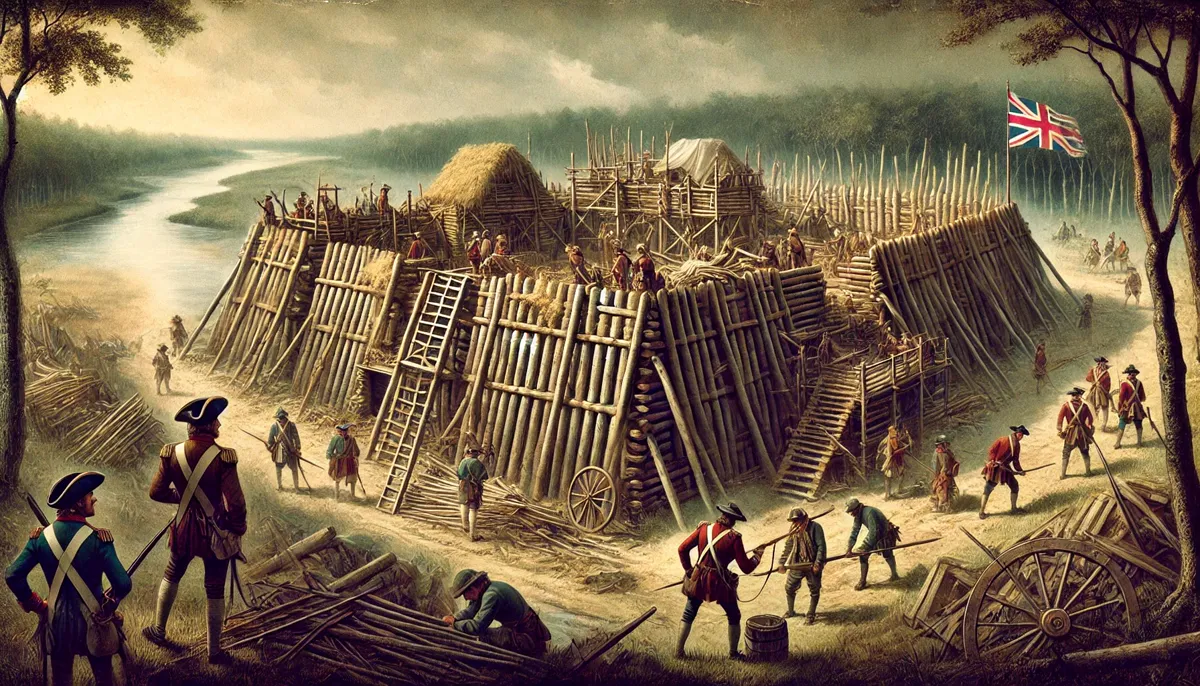
- Articles of Capitulation, Fort Necessity, 3 July 1754Louis Coulon de Villiers and George WashingtonThe surrender drafted in French by lantern light in the rain. Its second clause uses the word <i>assassinat</i> for Jumonville's death — the word Washington's officers did not render that way when they read it to him.
- The Journals of Christopher Gist, 1750–1751Christopher GistThe Ohio Company's surveyor describing the Forks of the Ohio and the Native towns of the valley four years before the shooting started.
Braddock's Road
- Letter of George Washington to John Augustine Washington, 18 July 1755 George WashingtonNine days after the Monongahela: four bullets through his coat and two horses shot under him, "yet escaped unhurt, although death was leveling my companions on every side."
- The Journal of Captain Robert Cholmley's Batmanan anonymous British soldierOne of the two surviving soldiers' diaries of the march from Fort Cumberland to the Monongahela, kept by an officer's servant.
- A Narrative of the Life of Mrs. Mary Jemison James E. Seaver, 1824Jemison was twelve when a French and Shawnee raiding party took her from the Pennsylvania frontier in 1755. She told her story to Seaver as an old woman in the Genesee valley.
Archives to Search Yourself
- Founders Online National ArchivesWashington's papers, fully searchable, free, with the editors' notes.
- Fort Necessity National Battlefield National Park ServiceThe reconstructed stockade at Great Meadows, the excavation reports, and the Braddock grave site.
- Project Gutenberg Washington's 1754 journal, Seaver's Jemison narrative, Parkman and much else, free and full-text.
Pick two or more of these chapters to read. Finish two of the ones you choose to open Week 3.
K–5th Grade
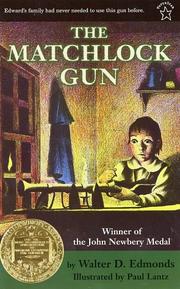 The Matchlock Gun
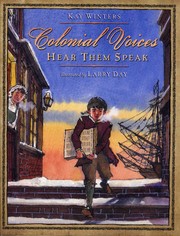 Colonial Voices: Hear Them Speak
6th–8th Grade
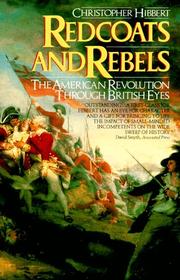 Redcoats and Rebels
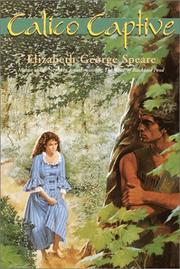 Calico Captive
9th–12th Grade
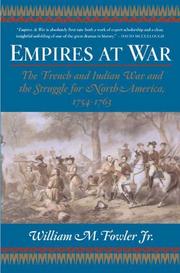 Empires at War: The French and Indian Struggle for North America, 1754-1763
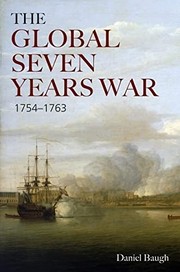 The Global Seven Years War 1754-1763
The Alliances Change Hands
- Treaty of Aix-la-Chapelle, 1748the powers of the War of the Austrian SuccessionThe peace that ended King George's War, returned Louisbourg to France in exchange for Madras, and left Silesia Prussian and Austria determined to have it back.
- First Treaty of Versailles, 1 May 1756France and AustriaThe defensive alliance between two powers that had been enemies for two and a half centuries — the treaty half of the Diplomatic Revolution.
- Convention of Westminster, 16 January 1756Great Britain and PrussiaThe other half: Britain and Prussia agreeing to keep foreign armies out of Germany, which is what pushed Austria toward France.
The Fighting in North America
- An Historical Journal of the Campaigns in North-America, 1757–1760Captain John Knox, published 1769A serving officer's day-by-day journal of Louisbourg, Quebec and the winter garrisons — the fullest British eyewitness record of the war.
- Adventure in the Wilderness: The American Journals of Louis Antoine de Bougainville, 1756–1760Louis Antoine de BougainvilleMontcalm's aide-de-camp, writing from inside the French command at Oswego, Fort William Henry and Carillon.
- Journal du Marquis de Montcalm, 1756–1759Louis-Joseph de MontcalmMontcalm's own journal of his campaigns in New France, printed from the manuscript in the 1890s.
The War Beyond North America
- The Court-Martial of Admiral John Byng, 1757the AdmiraltyThe proceedings survive in full. The court found Byng had not done his utmost to relieve Minorca, recorded that it did not find him cowardly or disloyal, and recommended mercy; the 12th Article of War allowed only one sentence.
- A Genuine Narrative of the Deplorable Deaths of the English Gentlemen … in the Black HoleJohn Zephaniah Holwell, 1758The account that made the Black Hole of Calcutta famous in Britain, written by a survivor and the only detailed contemporary description.
Pick two or more of these chapters to read. Finish two of the ones you choose to open Week 4.
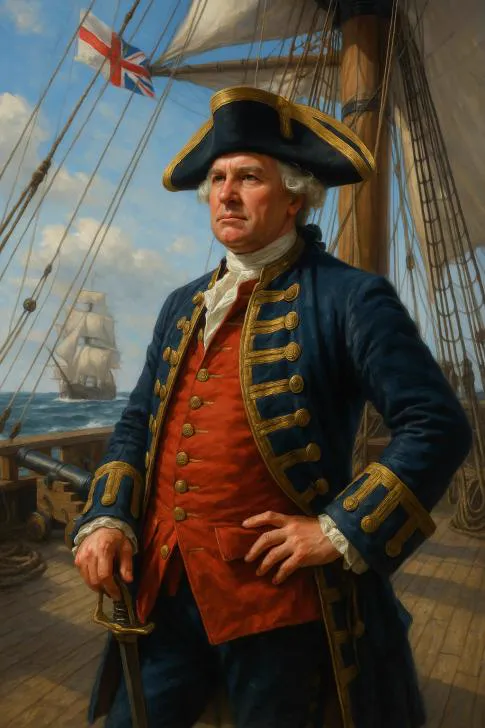
K–5th Grade
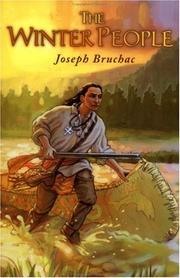 The Winter People
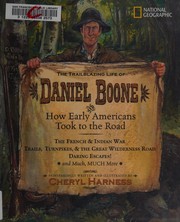 Daniel Boone: The Trailblazing Life and How Early Americans Took to the Road
 The Courage of Sarah Noble
6th–8th Grade
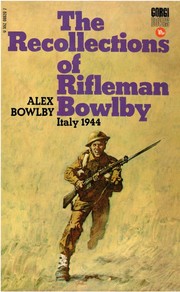 The Rifleman
9th–12th Grade
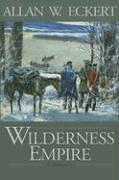 Wilderness Empire
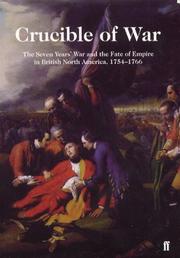 Crucible of War: The Seven Years' War and the Fate of Empire in British North America, 1754-1766
The Campaigns of 1758–1760
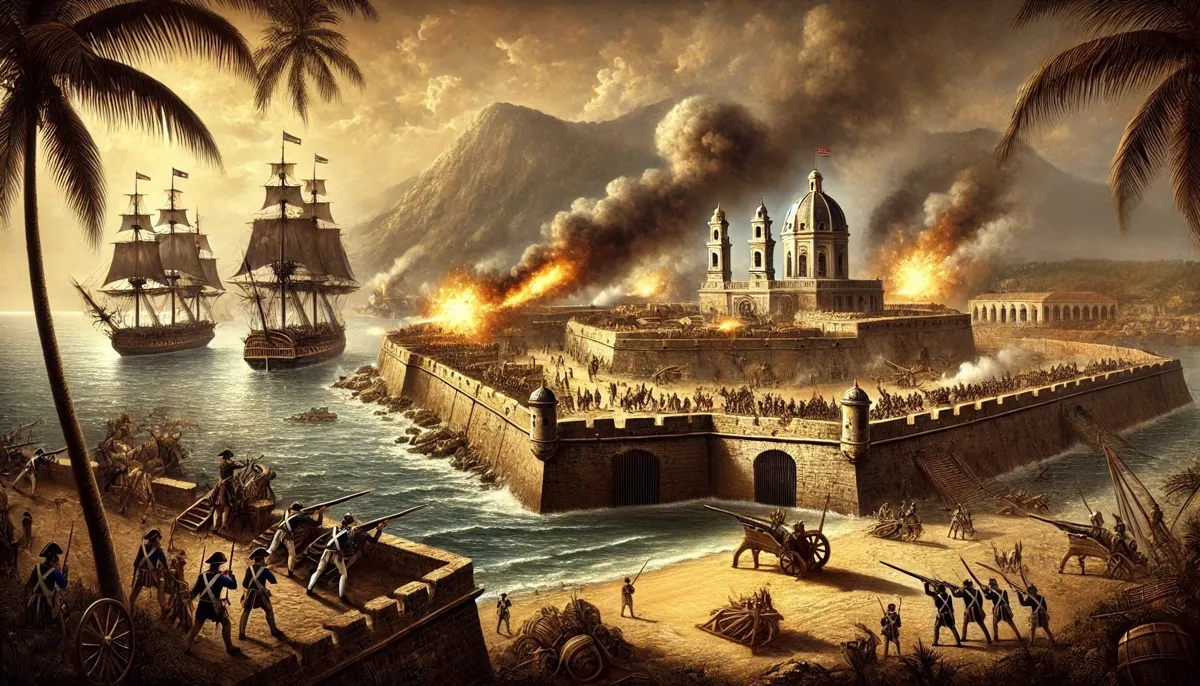
- Articles of Capitulation of Louisbourg, 26 July 1758Chevalier de Drucour and the British commandersThe surrender of the fortress that guarded the mouth of the St Lawrence. Boscawen's squadron had burned or taken the French ships in the harbour first.
- The Treaty of Easton, October 1758Pennsylvania, New Jersey and thirteen Native nationsBritain undertook to claim no settlement west of the Allegheny ridge. The Ohio nations left the French alliance, and Fort Duquesne could not be held.
- The Writings of General John Forbes Relating to His Service in North Americaed. Alfred Proctor JamesForbes's own letters, dictated from the litter his soldiers carried him in, planning the road and the campaign that took the Forks of the Ohio.
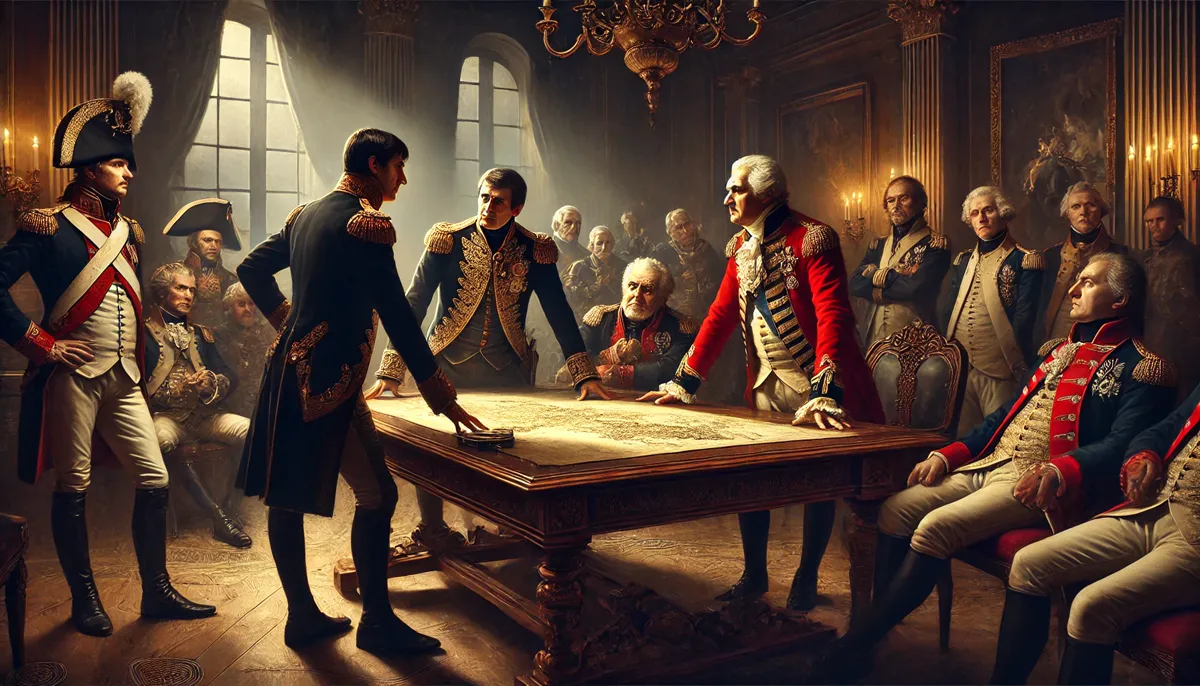
- Articles of Capitulation of Montreal, 8 September 1760the Marquis de Vaudreuil and Jeffery AmherstFifty-five articles. The regulars went home to France, the colonists kept their property and the free exercise of their religion, and New France ceased to be French.
Quebec, From Both Sides of the River
- The Siege of Quebec and the Battle of the Plains of Abrahamed. A. Doughty and G. Parmelee, 1901Six volumes gathering the journals, orders and letters of both armies, French and British, for the campaign of 1759.
- Journal of the Particular Transactions During the Siege of Quebecan anonymous French officerThe bombardment from Pointe-Lévis, the failed British landings at Beauport and Montmorency, and the morning of 13 September, from inside the city.
- The Journals of Captain John MontresorJohn Montresor, British engineerThe engineer's record of the works before Quebec and of the winter that followed.
Archives to Search Yourself
- Library and Archives Canada Government of CanadaThe Articles of Capitulation, the intendants' registers of New France, and the census rolls of the colony.
- The Avalon Project Yale Law SchoolThe treaties, capitulations and royal proclamations of the eighteenth century, in full text.
Pick two or more of these chapters to read.
K–5th Grade
 History for Kids: The French and Indian War
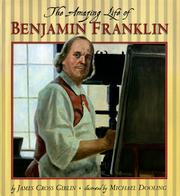 The Amazing Life of Benjamin Franklin
6th–8th Grade
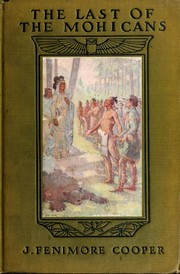 The Last of the Mohicans
9th–12th Grade
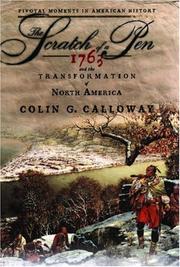 The Scratch of a Pen: 1763 and the Transformation of North America
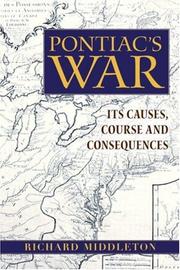 Pontiac's War: Its Causes, Course, and Consequences
The Documents That Ended It
- The Treaty of Paris, 10 February 1763 Great Britain, France, Spain and PortugalFrance gave up Canada and everything east of the Mississippi except New Orleans; Britain gave Guadeloupe and Martinique back and returned Havana to Spain for Florida.
- The Royal Proclamation of 7 October 1763 King George IIINo grant, no survey and no purchase of Native land west of the crest of the Appalachians, and every settler already over the line "forthwith to remove themselves".
- The Treaty of Hubertusburg, 15 February 1763Prussia, Austria and SaxonySigned five days after Paris, it ended the European war exactly where it had started: Frederick kept Silesia.
What Came Next
- The Albany Plan of Union, 1754 Benjamin Franklin and the Albany CongressA Grand Council chosen by the assemblies under a President-General named by the Crown. Both the colonies and London refused it — and then Britain spent nine years doing the job itself.
- The Sugar Act, 1764 Parliament of Great BritainThe molasses duty halved and actually collected, with the vice-admiralty courts to enforce it.
- The Stamp Act, 1765 Parliament of Great BritainA stamp on every newspaper, almanac, licence, will and deck of cards in the colonies, to pay for the army kept in America after 1763.
- The Journal of William Trent, 1763William Trent, trader, at Fort PittThe besieged garrison's own daybook, and the record of the blankets and handkerchief sent out from the smallpox hospital to the Delaware envoys on 24 June 1763.
Archives to Search Yourself
- The Avalon Project Yale Law SchoolThe Treaty of Paris, the Proclamation of 1763, the Albany Plan, the Sugar, Stamp and Townshend Acts, in full.
- The Papers of Sir William JohnsonNew York State LibraryFourteen volumes of the councils, belts and speeches of the northern Indian Department, 1738–1774.
- Internet Modern History Sourcebook Fordham UniversityEighteenth-century treaties, pamphlets and parliamentary debates, free.
What comes with the book
The Ultimate Guide
The textbook itself — the twenty chapters these lessons are built from.
Living History
Heroes and Villains: French and Indian War — Told By Those Who Were There. The Heroes & Villains series, in the first person.
The Adventure Box
Cards, lesson plans, activities, coloring pages and the craft kit for this era.